

We recently returned from Japan. Our journey started in Tokyo, and went through Nagoya, Osaka, Kyoto, a hot springs town called Arima and then Hiroshima before returning to Tokyo. Anybody can look up the many fascinating tourist attractions, but I’d like to comment on the cultural oddities that are more interesting.
Toilets. Let’s start with Japanese toilets. Have you ever tried one?
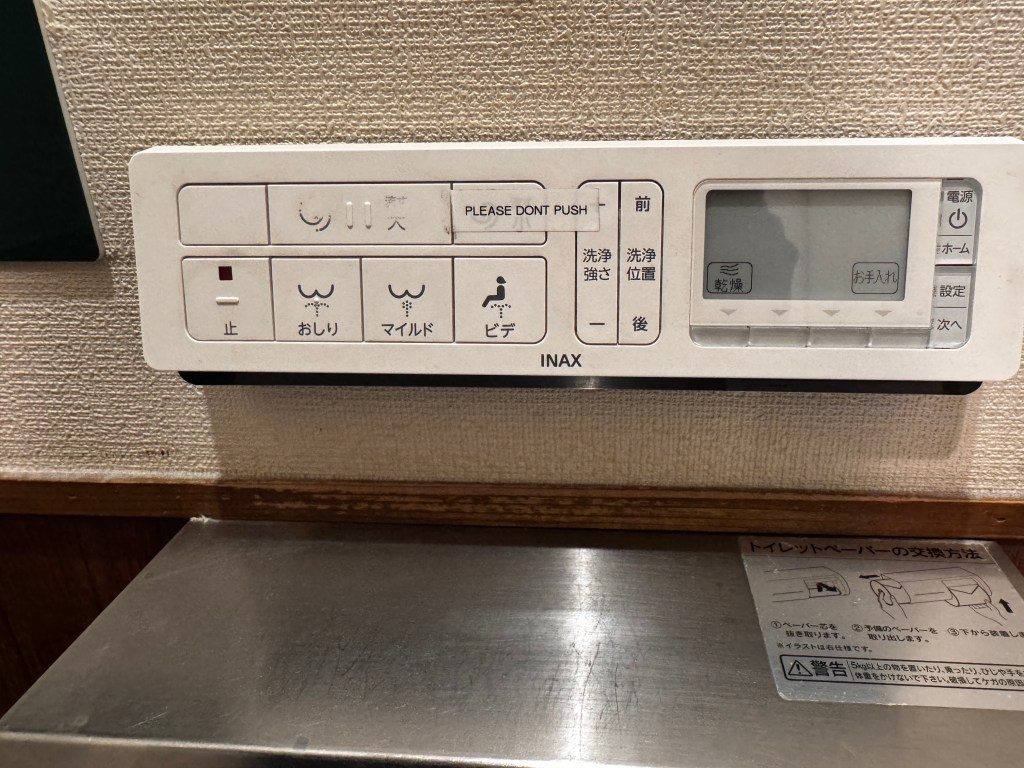
In the most advanced version, as you would find in a hotel, one presses one button for the cover to rise and another to lift the seat for a pee and then the reverse procedure to close it up and press one of three options to flush at different levels of completeness. The Japanese are very fastidious and are deeply concerned with hygienic practices and would find the idea of lifting a seat with your hand abhorrent. If you are sitting down on the seat, it’s usually heated, a real bonus, and when you are done, there is the choice of a little stream aimed at cleaning your bottom as well as a bidet for the ladies. I am a real convert to this practice. The streams are adjustable too. Then you are advised to close the seats automatically before selecting the flush level.
Trash. This is truly one of the most remarkable customs.
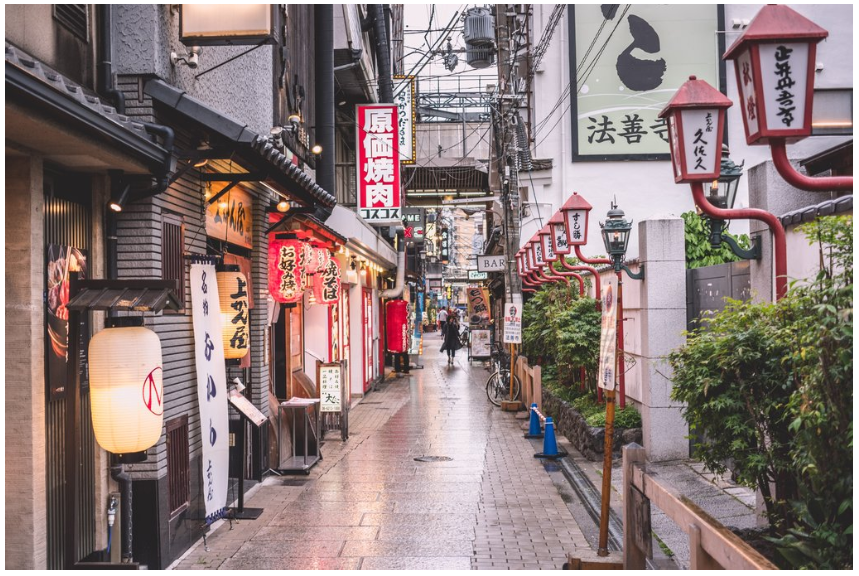
No matter where you are, there is absolutely no litter on the streets — and I mean none: no cups, paper, cigarette buts, nothing—and yet there are no garbage cans anywhere. Vending machines have little ones but those are for their refuse. One is expected to dispose of wrapping papers and other garbage at home or in the office and many carry around plastic bags for this purpose. The entire population adheres to this custom as a kind of collective responsibility. The taxis, train cars, busses and cars by the way are always squeaky clean. It’s said this is part of the native Shinto religion.
Shoes. You’ve heard of the Japanese practice of removing your shoes when entering a home, a custom most in the West now seem to follow. But that’s only the beginning. There are separate slippers for inside the house or restaurant and yet another pair for the bathroom. In our hot springs hotel, where we wrote traditional Japanese garb, we walked around the Onsen in blue slippers, changed to green for the room and used the third pair for the washroom.
Public bathrooms. There are clean public bathrooms in every subway station and tourist attraction. Can you imagine going into a washroom in the Toronto or New York subway? Impossible. But my partner did, preferring the Tokyo station washroom, over that of the bullet train, without any hesitation or negative commentary. Even so, after washing with soap and water, there are almost never any paper towels or means to dry hands, except in really major stations, where you might find a hand dryer. What do people do? They carry around hand wipes; tourists like us, until we figured this out, shake off their hands or wipe them on one’s dirty jeans. By the way, there aren’t slippers in those facilities.
Bowing. People do bow; you’ve seen that no doubt. But did you know it is part of everyday conversation and is even observed to punctuate sentences in a weather forecast. It has to be seen to be believed.
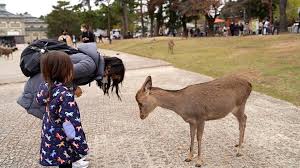
The weatherman is talking and each time he completes a sentence, he bows slightly and then when the forecast is done, he and his assistant bow to the audience. In the park at Nara, outside of Osaka, the deer roam free and it’s a major tourist attraction. You can feed them and touch them. But they also bow; it is quite amazing. They also roam free in an island off Hiroshima, and that too is heart-warming. Our guide bowed as he talked about every other sentence.
Tipping. If you are a fan of Tarantino’s Mr. Pink in Reservoir Dogs, you’ll know that certain people don’t tip. That seems so strange here where it’s ingrained. In Japan, there is no tipping. What a relief. No calculating 15 or 18 or 20% or having the automatic total include the tax, a pet peeve. It would be a social blunder if you tip and it never happens. The bill is rendered, and the service is universally fantastic but there is no expectation of something extra. None. And that includes taxis, porters, hotel personnel even the maid service.
The trains. The trains. The trains. We used the Japan rail pass, about $1200 in first class for 21 days, on the bullet train, subways and regular Japan rail service and even the monorail to Haneda airport. It was worth its weight in gold.

There really is a bullet train — the Shinkansen — and it really does hit 300K per hour. Our 803K trip from Hiroshima to Tokyo took four hours, with the average speed 200K/hour including stops. But between stations, it was 300K all the way and you do not feel the speed at all. By contrast, the journey from Toronto to Montreal, where a bullet train is contemplated, is 547 K, and takes about 5 hours 28 minutes by Via Rail and six hours or more by car. If there were a Shinkansen on the route, the journey would be 2 hours and 7 minutes. You might think there are only a few of them per day between major stations. Nope. The Nozomi, the fastest version with the fewest stops, takes off about every 20 minutes all day. And in between those there is the Hikari, with more stops.
Also, if the bullet train or any other train or subway in Japan says it’s going to arrive at 9:03, it does. Look at your watch and it will match the time of arrival. One gets about three minutes to get off or get on and it is off. Only 1 % — 1%—of all trains were reported late last year. Punctuality is everything. If we did not arrive at our various bike tours, food crawls and cooking class, we received a text immediately after the time. The cooking teacher was unhappy and said she was going to leave us behind.
Theft. There is no market for stolen bicycles, as none are stolen. You leave it on the street, and it stays there, which we did on our bike tours. On one of our e-bike rides, the guide tied them together with an easily cuttable cord and said don’t worry about it, no one will take them and there they were an hour later. Can you imagine that in TO, where thieves steal SUVs right from your driveway? Ellen left her Kobo e-reader in our Tokyo hotel and assumed they’d hold it for her. They did find it; but they don’t keep it. All electronics devices are turned over to the police. When we returned to Tokyo, 12 days later, we subwayed up to the police headquarters and in a matter of minutes it was returned.
Crowds. Japan is the size of California, with a population of 138 million, and only ¼ of the land is livable, which means this large number resides in an area in total the size of Southern California. The Toronto GTA is about eight or nine million now, but the Tokyo national capital region includes some 38 million people. And Japan is only the 43rd most densely populated country in the world. Macau, Singapore, Monaco and Hong Kong, all city states, are the top four in density.
That means if you are in a popular destination, you share the streets with thousands and thousands of your fellow Nihonjin and tourists. It’s rush hour all the time in Tokyo station, at all hours of the day and night. You just get used to it.
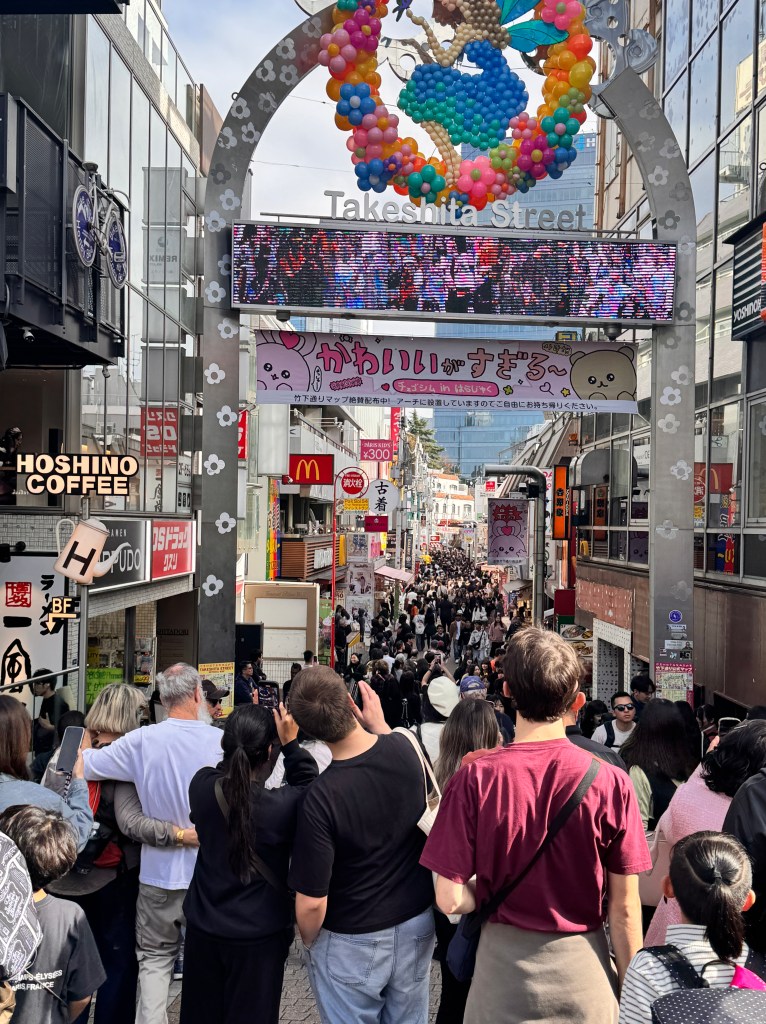
Subways at peak times are packed like sardines. And the train stops every time in a designated area, so that if you are in zone 5, it stops right in front of you, with the door opening right there, every single time. And every different subway line can be accessed via a tunnel from every station.
Knife Street. In Tokyo, many allied trades gather in one place. Electronics in Akihabara, Jimbocho for books and knives in Asakusa’s Kappabashi. My aim in Tokyo was to procure a really special Japanese cooking knife. I first viewed them at Sugimoto in Tsukiji, the fish market, on my first morning, when on a food tour.
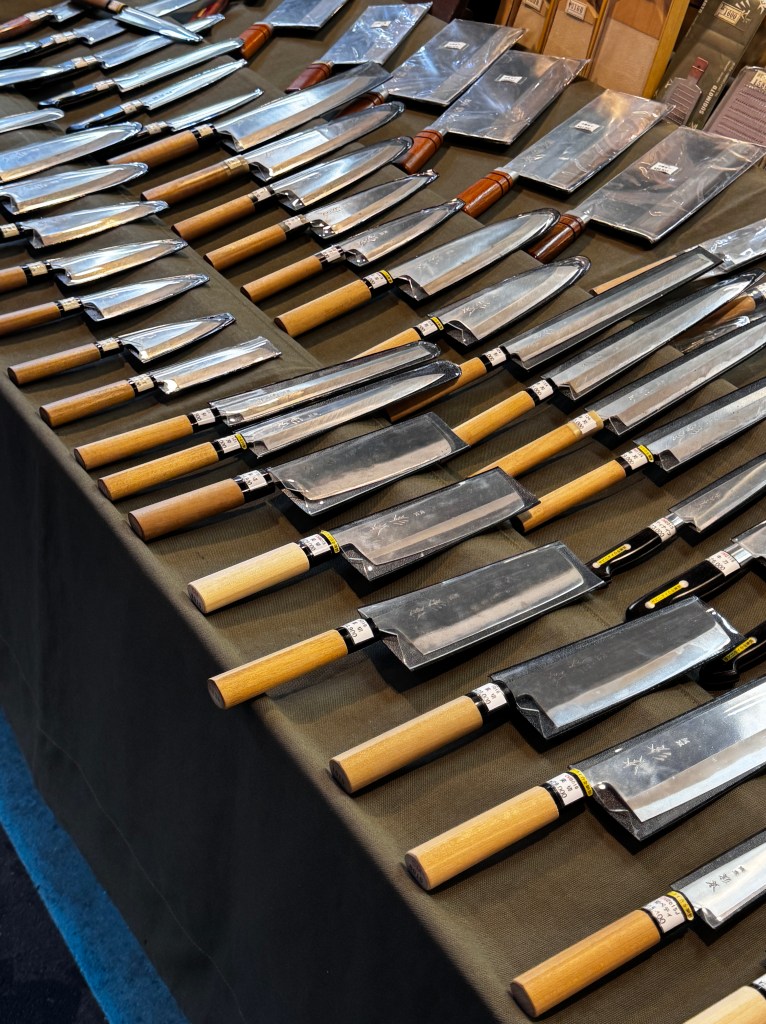
It was venerable old place but it was too early in our time in Japan. I finally made it to Kappabashi, where there are at least a dozen knife stores and as many I wondered up and down the street in an out of each store. One place I saw at the beginning, Tokuzo Knives, spoke to me. It had a relaxed vibe and I ended up buying a 180mm Santoku knife.
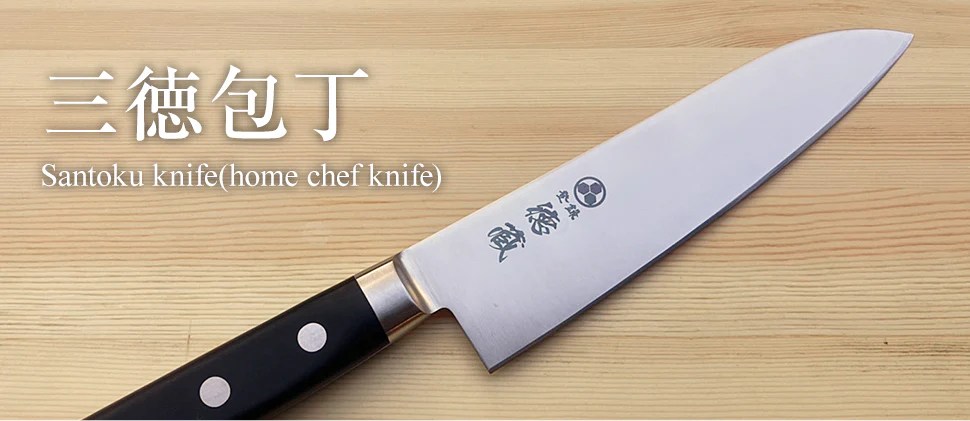
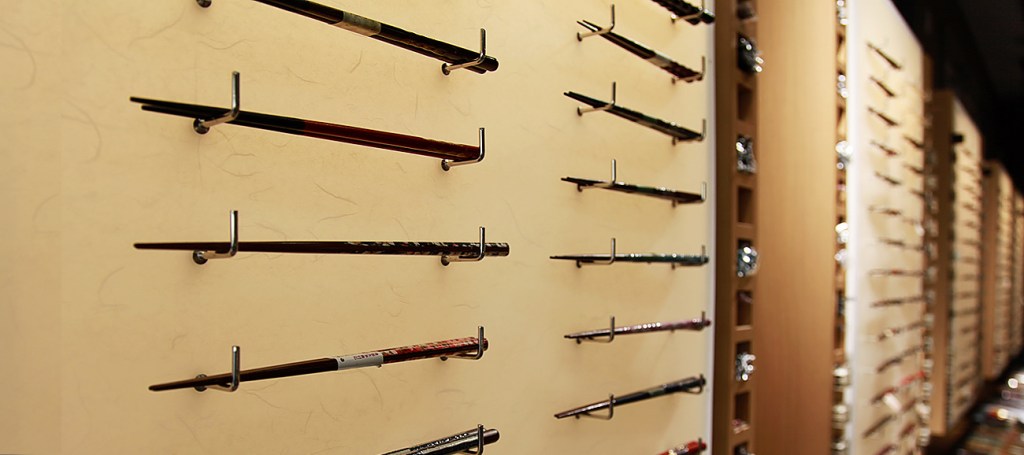
Which combines the features of the Japanese vegetable knife and the western chef’s blade. It is an all-purpose knife for meat, fish, and vegetables, and is the most popular knife in Japanese households because of its sharp blade tip. I also bought elegant chopsticks at Hashitou, where I spent more time deciding on my purchase than I did on the knife.
Food. It really is great. The sushi is fresher, and every plate is neatly arranged like a work of art, no matter how humble the establishment. At the higher end the presentation is as important as the fresh ingredients too. In those places, there is no menu.
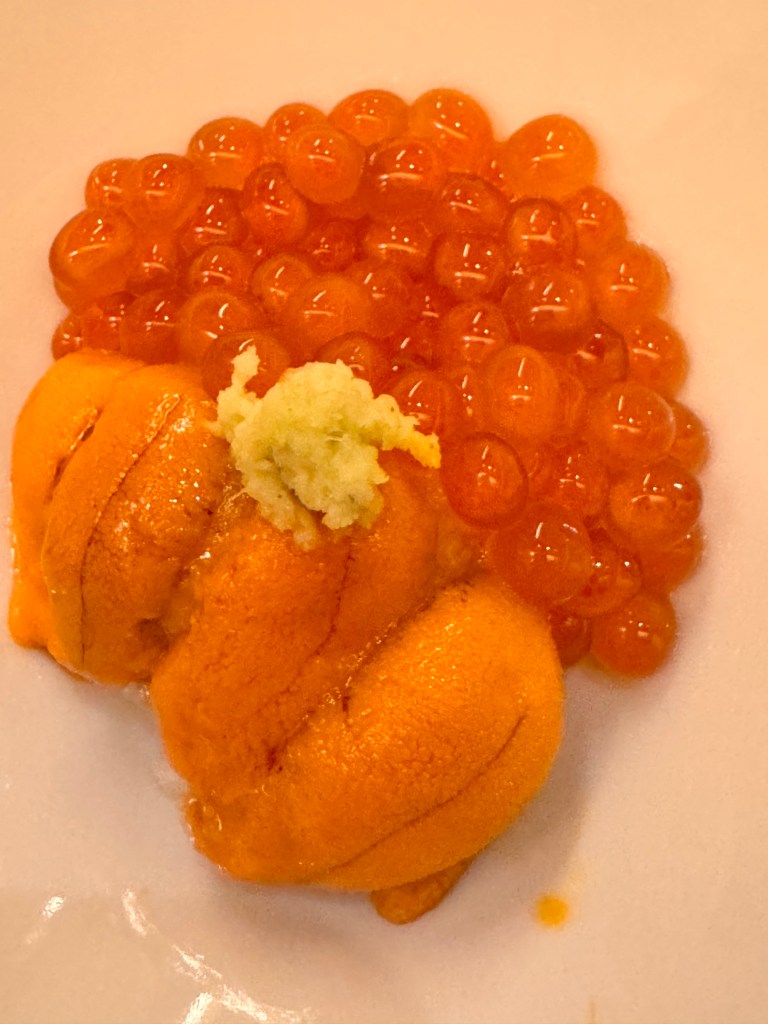
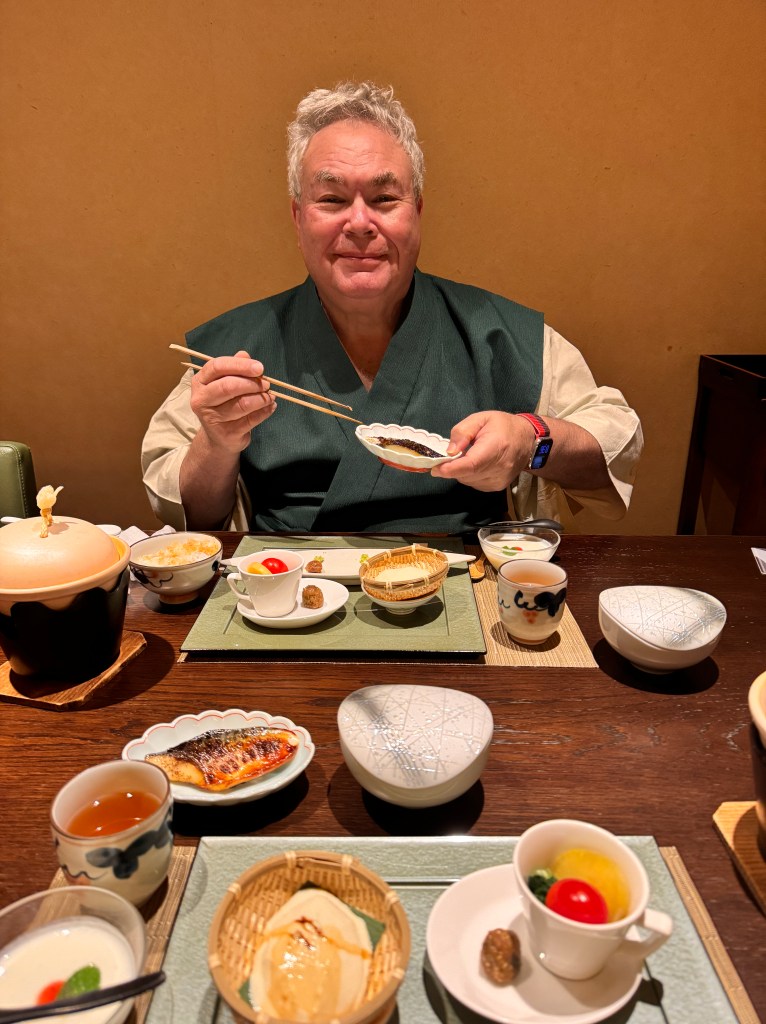
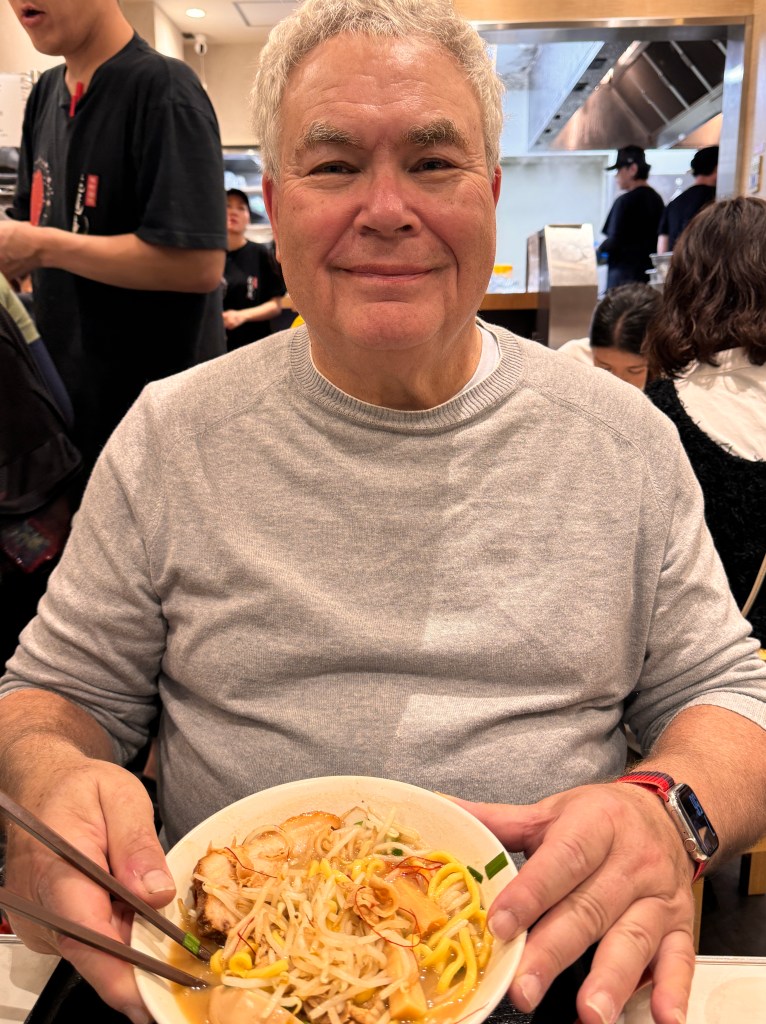
And one of the best places for food is the Tokyo station. There are hundreds of restaurants there of every kind. There’s one place called Ramen Alley which serves only ramen of course at least a dozen places each specializing in a type of noodle. Poor TO can barely open its food court in Union station. Also, people just don’t seem to cook, given the types of packaged sushi, bento boxes and other meals readily available in the Tokyo Station or food halls in every major department store (where the types and range of international food is mind blowing).
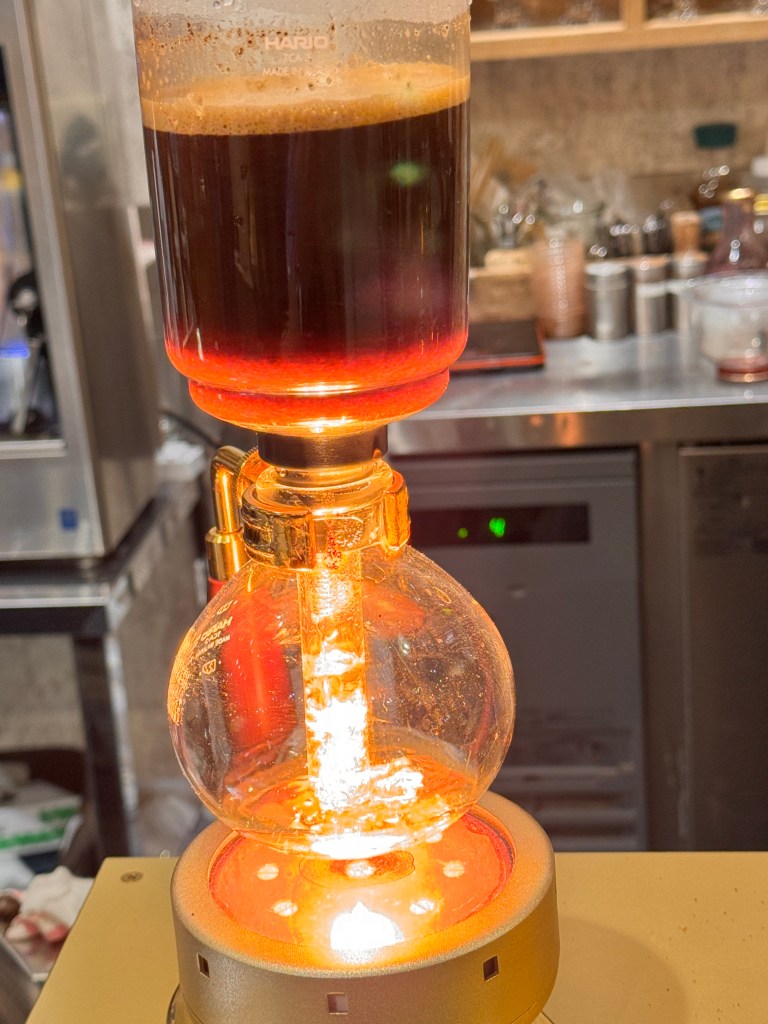
Coffee. One thinks of Japan as a tea culture and that is true. There is matcha tea everywhere, including on soft ice cream. The tea ceremony is of course famous. The coffee, however, is also perfect. There is smooth, balanced drip coffee everywhere and a special favourite was ‘siphon’ coffee, an old fashioned method but the best. I had had it decades ago on my first visit and was pleased it still existed. A special favourite was the Hario store in the shadow of a monastery in the Kyoto’s old Gion-geisha district, a warren of little alleyways and restaurants still preserved in the old fashioned way.
Convenience stores. The 7-11 and similar places like Lawson’s are a way of life, so much more than a convenience store here, because of the food. Breakfast really isn’t a thing in Japan, so the supply of rice balls with various proteins in them suffices. We almost had them every day. There are also steamed buns and a favourite everywhere, a filet of fried chicken. One of our guides say these are always fresh and hot because the demand is so great. We tried it: juicy and delicious! There are also desserts, drinks of every kind there. In hot springs town, we did indulge in the classic Japanese breakfast: rice, miso soup, soft egg, smoked fish, pickled vegetables and soybeans, seaweed and green tea. A must try even once.
Language. Japanese is devilishly hard to learn. I won’t go into the details about the four writing systems, including the borrowed Chinese characters, the hiragana phonetic system for the grammar that differs dramatically from what is conveyed the Chinese characters, the katakana for English loan words – hoteru, birru, fash shion.
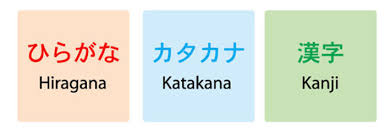
And also the Roman letters are used as well. However, the point is that absolutely everyone learns English in school and very few speak it. Not so dissimilar from French here. However, when we hear someone botch English, we probably look down on that person; don’t express joy that they are speaking English; we expect it. But in Japan, the assumption is no Caucasian speaks Japanese. And when you do, when you make an effort, as I did, they clap in delight. I was trying out a number in one place and the woman serving me said when I was done, “You nailed it” in total surprise. By the way, Japanese word order is the opposite of English. One says for’ the two black dogs are in the house,’ ‘in house dogs black two are.’
Lastly, on a sober note, every person with a shred of humanity should visit Hiroshima. You might think you knew something about the atomic bomb, but you don’t really until you see it up close. I kept wondering why are we drawn here? It was an unprecedented event in world history for sure; the first time a nuclear chain reaction was unloosed on a population centre and only the second such explosion in history. The first of course was the Trinity test in New Mexico on July 16, 1945. If you haven’t seen the movie Oppenheimer, it’s an essential. I watched it for the second time on the plane to Tokyo, all three hours and nine seconds of it.
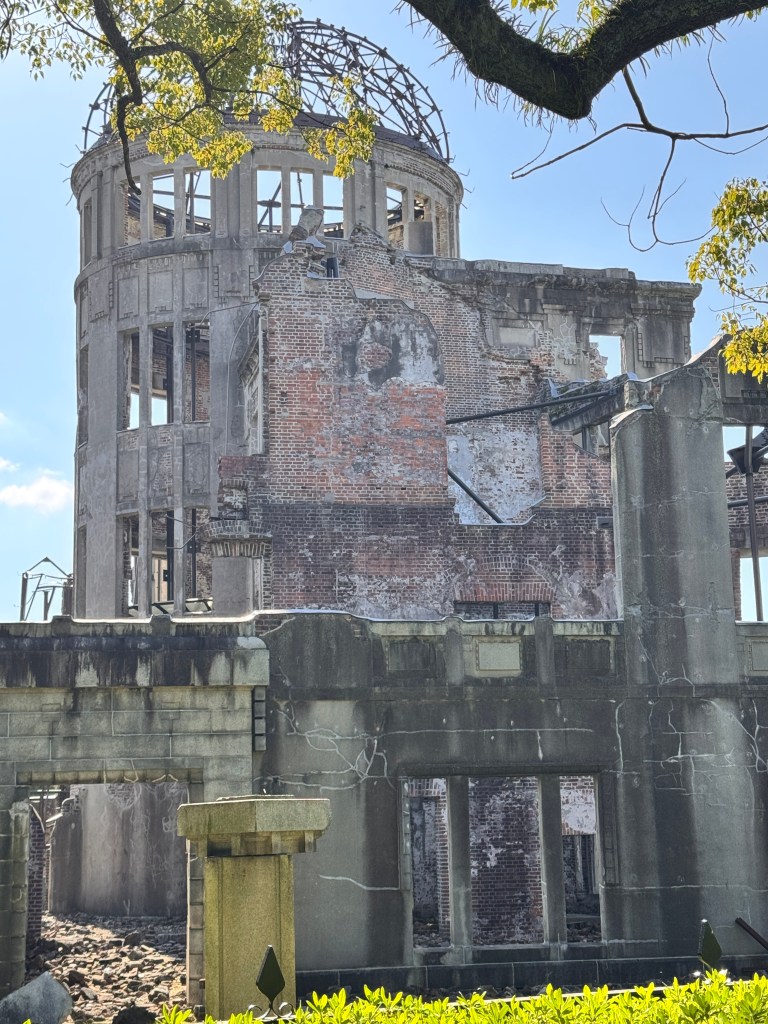
The bomb and its aftermath permeates Hiroshima everywhere. Little shrines commemorating various aspects—how it blew out windows 2k away; how the dome, its most famous image, survived the blast only 750 meters away. Our guide was the grandson of survivors; his mother was exposed in utero and died of lymphoma at 62. There is a museum with many survivors stories and photos and videos that never seemed to have made it to the west.
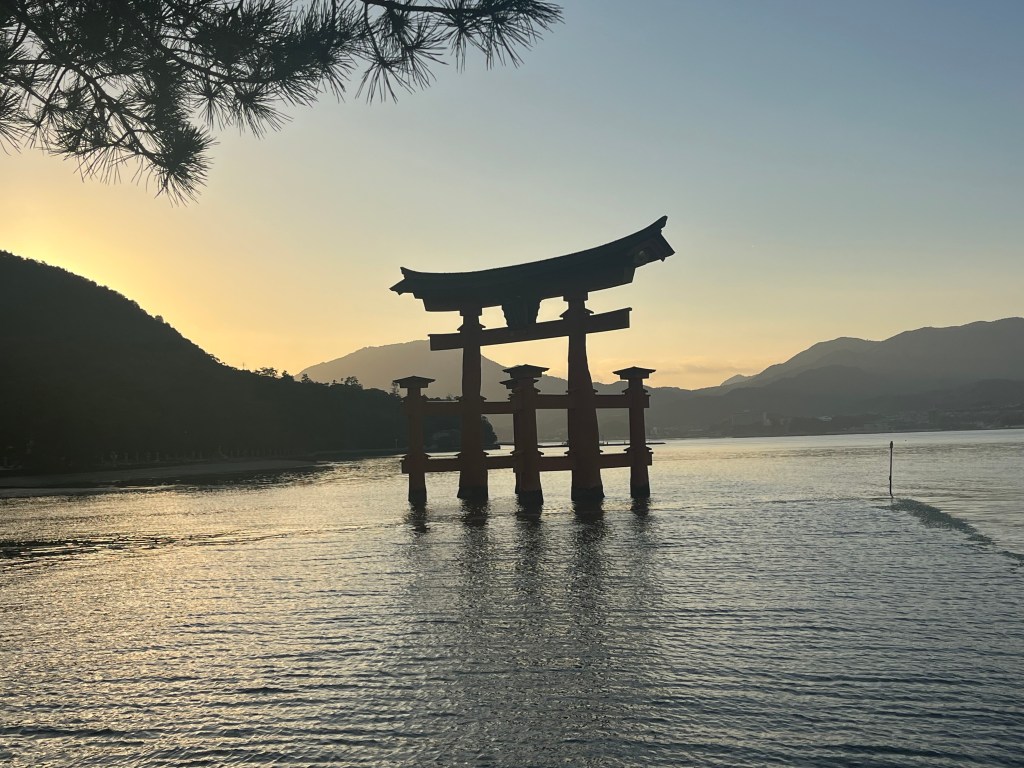
Thriving neighbourhoods that were leveled before and after. The misery of survivors. Artifacts that survived, torn clothes, kids bicycles burnt to a crisp. The famous photo of the shadow of what once was a human burnt into the porch of a bank. We were very moved and were very gratified that we came all that way to see it and experience it. The Japanese by the way don’t white wash the causes. At the beginning of the exhibit they call the bombing ‘indiscriminate’ but at the end, with a history and causes exhibit, they clearly say that Japan attacked Pearl Harbour and the rest of South East Asia and China. I don’t think we’ll ever be the same after seeing this sight.
 News releases, editing, websites, speeches, articles, memoirs and writing seminars
Leave a Reply